The old rule was that vegans had to pair rice with beans at every meal to make a complete protein. Here is what the Academy of Nutrition and Dietetics says about it.
Vegan Brief·Evidence last reviewed July 16, 2026
This is a summary of the cited evidence, not medical advice.
The claimCombine proteins every meal
What the Academy saysVariety across a day is enough
SourceAcademy of Nutrition and Dietetics
01
Where the rule came from
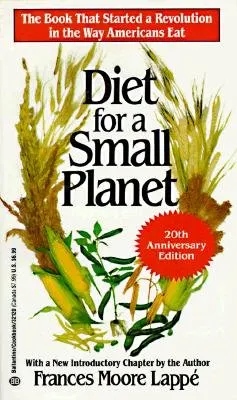
The idea that plant proteins are incomplete, and must be carefully paired at every meal, spread from a popular 1971 book and stuck. It sounds scientific, and it is half true: individual plant foods do have different amino acid profiles. The part the Academy of Nutrition and Dietetics addresses directly is the meal-timing rule.
02
What the dietitians actually say
The Academy of Nutrition and Dietetics, the professional body for US dietitians, addressed this directly in its position paper on vegetarian diets.
Primary source 01 / 02
The terms complete and incomplete are misleading in relation to plant protein. Protein from a variety of plant foods, eaten during the course of a day, supplies enough of all indispensable (essential) amino acids when caloric requirements are met.
In other words, your body pools amino acids from everything you eat across the day, so the beans at lunch and the bread at dinner combine on their own. The practical advice is simpler than the old rule:
Primary source 02 / 02
The regular use of legumes and soy products will ensure an adequate protein intake for the vegetarian, as well as providing other essential nutrients.
Eat a normal, varied plant diet with enough calories, lean on legumes and soy, and the protein takes care of itself. The one group that can fall short is people eating too little food overall, or a very restricted diet like fruitarianism, where the problem is calories, not amino acid maths.
Protein on a vegan dietThe 'where do you get your protein' question, answered from a dietitians' position paper.
Creatine on a vegan dietYour body makes some creatine, and the only foods that carry the rest are meat and fish. That leaves vegans with lower stores, which may be exactly why they respond so well to the supplement.
Vegan diets and athletic performanceA growing list of pro athletes eat plant-based, and the science is not the obstacle it was once assumed to be. The position papers put vegan diets squarely inside the range that works for sport.
Do vegans need to eat complete proteins at every meal?
No. The Academy of Nutrition and Dietetics says a variety of plant foods eaten over the course of a day supplies all the essential amino acids, as long as you eat enough calories. Meal-by-meal combining is not necessary.
Are plant proteins incomplete?
The complete-versus-incomplete framing is considered misleading for plant protein. Different plant foods have different amino acid profiles, but a mixed plant diet covers all the essential amino acids across the day.
The bookshelf
Read further
Paid links. If you buy a book through these links, Bookshop.org pays us a small commission and sends a share of the sale to independent bookstores.
Frances Moore Lappe's 1971 argument that eating lower on the food chain stretches grain further. Her protein-combining chart was later revised by the author herself.
The standard behind these pages, applied to each day’s news: the study quoted and checked against its source before the headline reaches you. One short brief, free.