This is the page to get right, so it is the page with the most hedging.
Vegan Brief·Evidence last reviewed July 2, 2026
This is a summary of the cited evidence, not medical advice.
Academy positionAppropriate at all life stages when planned
Life stagesAll, incl. pregnancy
B12Reliable source required
01
The professional-body position, in its own words
Pregnancy and childhood are where care matters most and where hearsay does the most damage, so here the sources speak and we mostly get out of the way. The Academy of Nutrition and Dietetics is the largest organization of registered dietitians in the US. Its 2016 position statement is quoted in full on this point.
Primary source 01 / 05
It is the position of the Academy of Nutrition and Dietetics that appropriately planned vegetarian, including vegan, diets are healthful, nutritionally adequate, and may provide health benefits for the prevention and treatment of certain diseases. These diets are appropriate for all stages of the life cycle, including pregnancy, lactation, infancy, childhood, adolescence, older adulthood, and for athletes.
The load-bearing word is 'appropriately planned.' On pregnancy outcomes specifically, the paper is measured about how much is known.
Primary source 02 / 05
Limited research indicates that where food access is adequate, vegetarian pregnancy outcomes, such as birth weight and pregnancy duration, are similar to those in nonvegetarian pregnancy.
Planning is not a vague virtue here. It has a specific highest-priority item. The Academy names the stakes.
Primary source 03 / 05
Vegans must regularly consume reliable sources, meaning B-12-fortified foods or B-12-containing supplements, or they could become deficient, as shown in case studies of vegan infants, children, and adults.
The NIH fact sheet is more graphic about why infant B12 status is the sharp end of this.
Primary source 04 / 05
Exclusively breastfed infants of women who consume no animal products might have very limited reserves of vitamin B12 and can develop vitamin B12 deficiency, sometimes very early in life
Read those two quotes as the reason the first section is not a green light to wing it. The position is genuinely reassuring: a planned vegan diet is endorsed for pregnancy, infancy, and childhood by the dietitians' own body. The planning is the whole thing, and B12 leads the list. This page is a summary of the evidence, not a substitute for a doctor or dietitian who knows your pregnancy or your child.
Iodine on a vegan dietIodine is the quiet one: no drama, easy to miss, easy to fix. Iodized salt or a measured amount of seaweed does it, and kelp can overshoot hard.
Choline on a vegan dietCholine is the nutrient nobody talks about until pregnancy, and the richest sources are animal foods. The plant list is real but shorter, and most people of any diet already fall short.
The Academy of Nutrition and Dietetics states that appropriately planned vegan diets are appropriate for all stages of the life cycle, including pregnancy, lactation, infancy, and childhood. The key phrase is 'appropriately planned,' which includes a reliable B12 source.
Why is B12 especially important for vegan infants?
The NIH notes that exclusively breastfed infants of women who consume no animal products can develop B12 deficiency very early in life, and that undetected, untreated B12 deficiency in infants can cause neurological damage, failure to thrive, developmental delays, and anemia. This is why the sources say vegans must regularly consume a reliable B12 source.
The bookshelf
Read further
Paid links. If you buy a book through these links, Bookshop.org pays us a small commission and sends a share of the sale to independent bookstores.
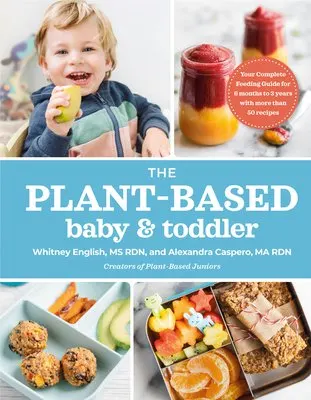
Registered dietitians Alexandra Caspero and Whitney English cover feeding from first foods through age three, with guidance on iron, B12 and other nutrients alongside recipes.
Reed Mangels, Virginia Messina and Mark Messina · 2011
Reed Mangels, Virginia Messina and Mark Messina wrote this for clinicians. It covers each life stage, athletes and common conditions, with the research cited.
The standard behind these pages, applied to each day’s news: the study quoted and checked against its source before the headline reaches you. One short brief, free.